 By Hoyt Cain
When you’re shopping for eyewear — especially prescription glasses — durability matters just as much as style or price. A great-looking pair that doesn’t hold up to daily wear soon ends up gathering dust. That’s why many people ask: Do Oakley prescription glasses actually last?
In this guide, we’ll break down what makes Oakley eyewear stand up to regular use, where the limits are (if any), and how specific features — like Oakley’s popular straight jacket frames — influence real-world performance.
What Makes Eyewear Durable?
Before jumping into Oakley specifically, it helps to understand what contributes to longevity in glasses:
- Frame material strength
- Hinge design and flexibility
- Lens quality and scratch resistance
- Fit and comfort (because stress points cause wear)
Durability isn’t just about toughness — it’s about how well the glasses hold up to everyday handling, temperature changes, sitting on your head, putting them in a bag, or dropping them (yes, we all do it).
Oakley’s Reputation for Toughness
Oakley has been known for performance eyewear for decades, especially in sports like cycling, running, and snowboarding. When they transitioned their technology into prescription eyewear, many customers wondered if that same durability would carry over.
In short: yes — Oakley prescription glasses are designed to last, but understanding the how and why helps you set realistic expectations.
What Sets Oakley Frames Apart
Here’s where Oakley’s design philosophy comes through.
1. Material Technology
Oakley uses proprietary materials like O Matter® — a tough, lightweight polymer — in many of its frames. This material flexes under stress without cracking, which is a big advantage over cheaper plastics.
This flexibility isn’t just about performance in sport. It means the frames are less likely to break when sat on, bent, or dropped.
2. High-Performance Lenses
The lenses themselves are equally engineered for endurance. Many Oakley prescription lenses use impact-resistant materials that stand up better to scratches and knocks than standard optical lenses.
This is a genuine benefit for active wearers, but it’s worth noting that no lens is entirely scratch-proof — so lens coatings and proper care still matter.
3. Fit and Comfort Designed for Movement
Oakley’s ergonomic designs help glasses stay balanced and secure in motion. That’s great if you’re outdoors or active, but it also reduces stress on hinges and frame arms — factors that commonly cause wear over time.
Oakley’s Popular Straight Jacket Frames — A Closer Look
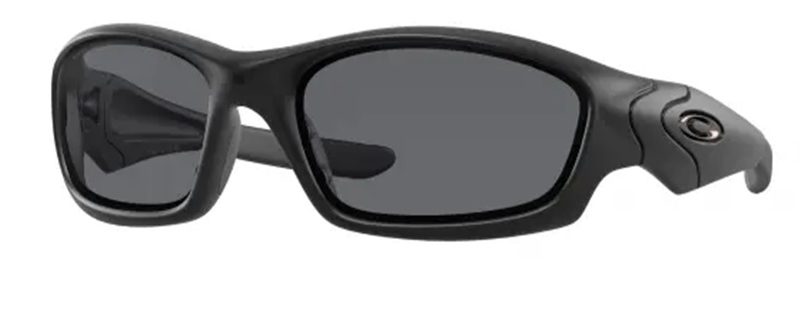
One of Oakley’s standout designs in the prescription world is Oakley’s popular straight jacket frames — a silhouette that blends sporty performance with everyday practicality.
- The straight jacket structure provides stability without bulk
- Clean lines make them versatile from casual to office wear
- Rubberised nose and temple pads improve grip without discomfort
Because of these traits, these frames tend to age well in everyday use. They’re not just tough at the start — they stay comfortable and functional over time.
Whether you’re commuting, active, or behind a desk all day, this balance of durability and wearability is one reason these frames remain a top pick for many customers.
How Long Can You Expect Them to Last?
No eyewear lasts forever — but with Oakley prescription glasses, robust construction and quality materials translate to above-average longevity compared to many mass-market brands.
Here’s a realistic timeline:
- Daily wear without rough handling: 2–3+ years before noticeable wear
- Active use (sports, frequent outdoor use):5–3 years, depending on activity
- Heavy handling (drops, frequent adjustments): Variable, but still strong compared to many competitors
What speeds up wear? Things like dropping them on concrete, leaving them in hot cars, or constantly flipping them on and off can stress any glasses over time — even durable ones.
How to Maximise Lifespan
Even the toughest eyewear benefits from good habits. Here’s how to protect your Oakley prescription glasses:
Use a proper case
Never toss them loosely in a bag where keys can scratch lenses or bend frames.
Clean with care
Microfiber cloths and lens cleaner keep coatings intact; tissue or shirt sleeves cause microabrasions.
Adjustments by a professional
Loose hinges or misaligned frames can introduce stress points — better to have a technician tighten them.
Avoid extreme heat
High temperatures (like dashboard exposure) can weaken plastics and coatings over time.
When Things Go Wrong
Even robust glasses occasionally need attention. Oakley prescription glasses typically come with warranties (check your retailer for specifics), and many dealers offer adjustment services for life.
Minor issues — like loose screws or slight misalignment — are usually easy to fix. It’s only significant physical damage (like a snapped arm) that might require replacement.
Are They Worth the Investment?
Durability is just one part of the equation. Let’s sum up the practical value:
Pros
- Strong, flexible materials resist everyday wear
- Designed for comfort and performance
- Good resale/pre-loved value due to craftsmanship
Cons
- Pricier than budget alternatives
- Still require care — they’re not unbreakable
If you want glasses that handle life’s ups and downs with minimal fuss — whether at work, the gym, or out on the trail — Oakley prescription glasses deliver on durability and design more consistently than many alternatives.