 By Hoyt Cain
The retail landscape has undergone a massive transformation over the past several decades, driven by a shifting consumer desire to balance brand prestige with financial pragmatism. For generations, traditional department stores and full-price flagship boutiques dictated the rules of luxury and casual fashion consumption. However, the rise of discount shopping models completely re-engineered these consumer habits. Among the most popular spaces for modern discount shopping are factory outlet stores and premium outlet centers.
To the casual consumer, the terms factory outlet and premium outlet are often used interchangeably. Many shoppers pack their vehicles for weekend road trips under the vague assumption that any open-air shopping village offering branded discounts operates under the exact same business model. This confusion is a calculated success of modern retail marketing. In reality, factory outlet stores and premium outlet centers represent distinct retail structures with completely different historical origins, real estate strategies, inventory pipelines, and target demographics. Understanding these crucial differences completely changes how consumers approach bargain hunting, allowing them to make highly informed purchasing decisions.
The Evolution and Inventory Mechanics of Factory Outlet Stores
To understand the modern factory outlet store, one must look back at its historical inception. Originally, factory outlets were utilitarian spaces physically attached to manufacturing facilities or central textile mills. They were designed not for the general public, but as internal liquidation centers for factory workers. Brands used these bare-bones spaces to dispose of surplus fabric, manufacturing overruns, irregular garments with minor structural defects, and returned inventory.
As transit infrastructure expanded, brands realized they could monetize these irregular and surplus items by opening these spaces to the broader public. Today, while modern factory outlets have moved away from active industrial sites and into suburban strip malls, their primary operational purpose remains rooted in brand-specific liquidation.
-
The Clearance Pipeline: True factory outlets function as the final destination for a specific brand’s genuine retail leftover inventory. When a seasonal line fails to sell out completely at full-price boutiques or department stores, the remaining stock is packed up and sent down the supply chain to the factory outlet.
-
Irregulars and Seconds: These stores remain the primary destination for factory seconds. These are items that failed quality control checks due to minor, often imperceptible flaws, such as a mismatched stitch pattern, a crooked label, or a slight dye variation.
-
Deep Structural Discounts: Because the primary goal of a factory outlet is to recoup liquid capital from dead or flawed inventory, the discounts found here are often substantial and authentic, reflecting true clearance pricing rather than calculated retail markdowns.
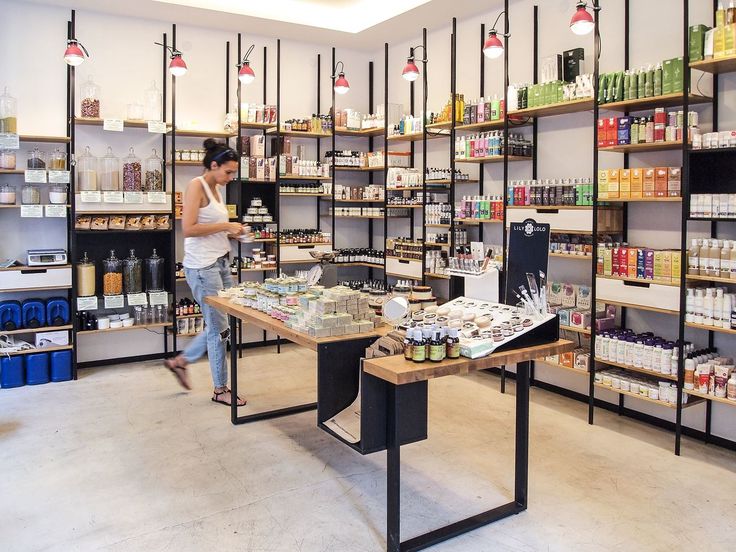
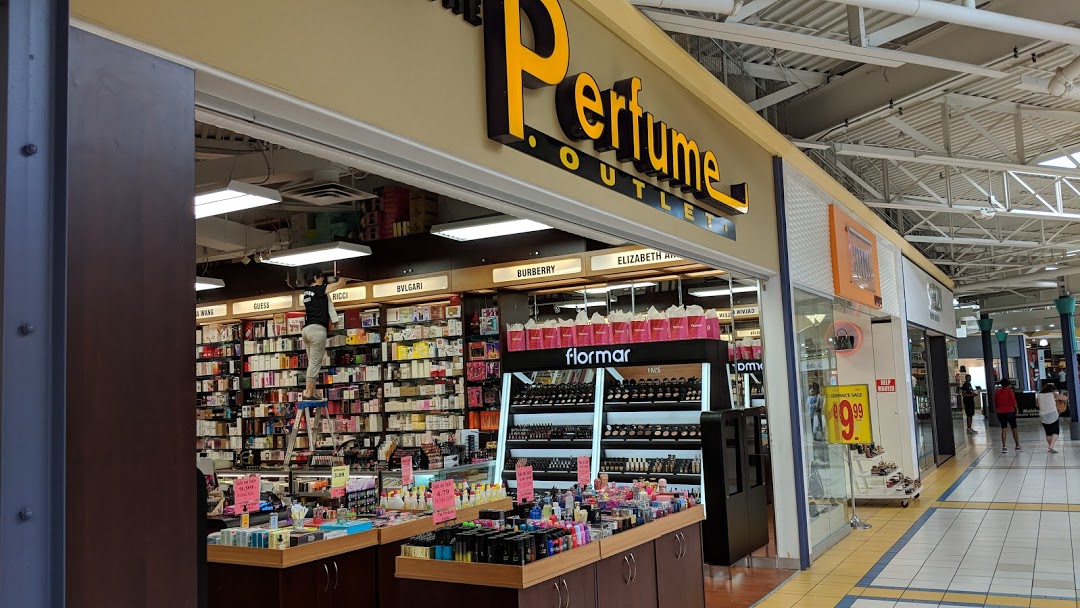
The shopping experience in a standalone factory outlet is traditionally self-directed. The store layouts prioritize high volume and density, utilizing packed clothing racks, unorganized clearance bins, and minimal interior design embellishments.
The Architecture and Retail Philosophy of Premium Outlet Centers
Premium outlet centers represent a completely different, highly sophisticated evolution of the discount shopping model. These are not individual, isolated clearance warehouses; they are massive, master-planned commercial real estate developments managed by global real estate investment trusts.
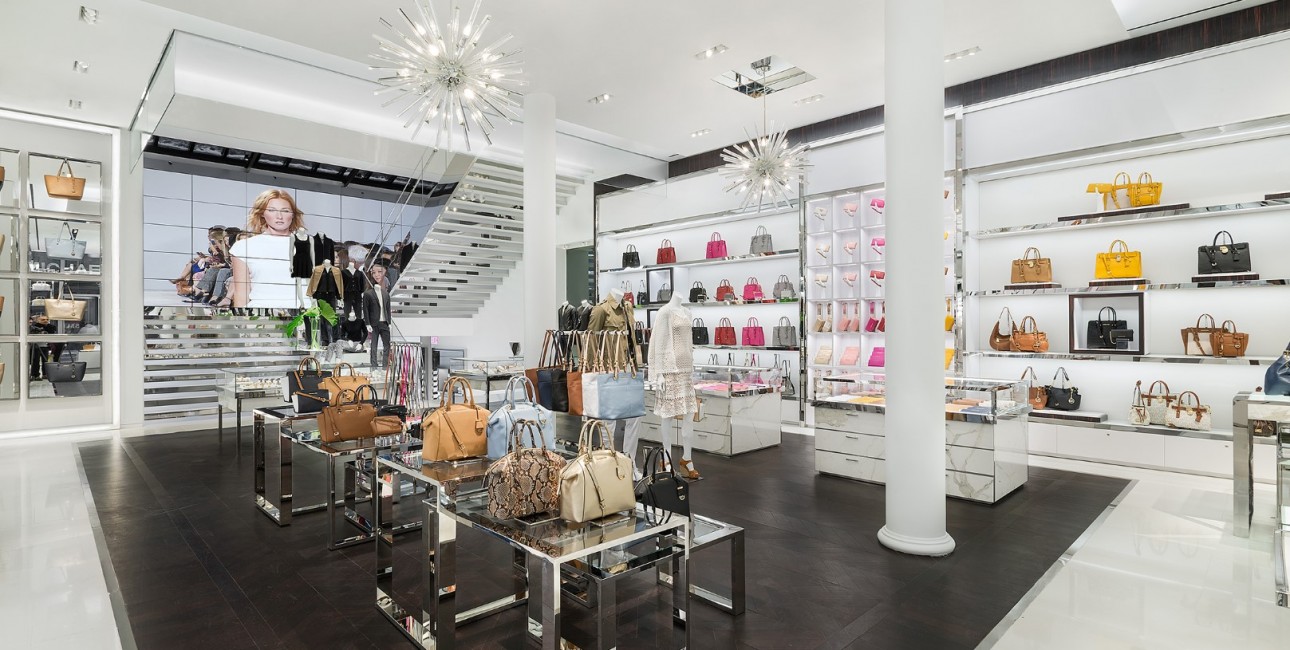
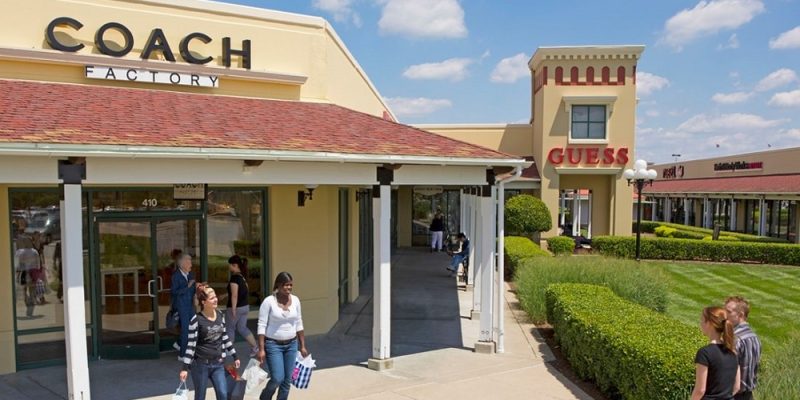
The primary objective of a premium outlet center is to simulate the upscale aesthetic, comfort, and architectural prestige of a high-end downtown shopping district, but at a destination geographic location. These open-air retail villages feature beautifully manicured landscaping, uniform storefront architectures, fountains, high-end dining options, and structured parking garages.
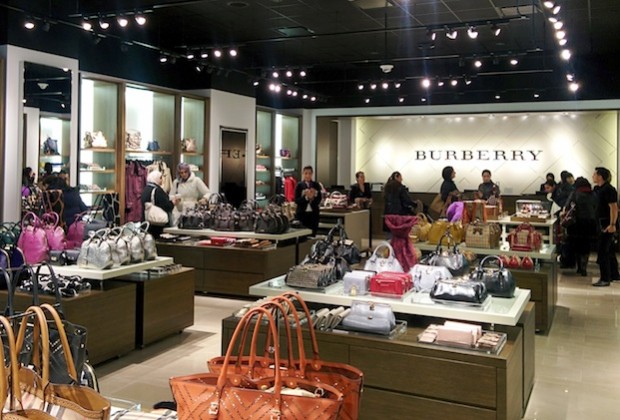
The brand mix within a premium outlet center is meticulously curated to cultivate an aura of luxury and exclusivity. Strolling through these centers, consumers encounter global fashion houses, luxury leather goods manufacturers, and premium athletic apparel brands.
However, the most critical distinction lies in the inventory pipeline. Because the sheer volume of global consumer demand at these massive centers far outpaces the natural supply of retail leftovers or manufacturing mistakes, a structural shift occurred. The vast majority of merchandise found within a premium outlet center is not clearance stock. Instead, it is merchandise manufactured specifically for the outlet.
The Rise of Made-for-Outlet Merchandise
The introduction of made-for-outlet production lines is the most significant open secret in the modern retail industry. To maintain the massive real estate footprints of premium outlet centers and guarantee consistent stock across all sizes, colors, and styles, brands design independent apparel lines exclusively for their outlet locations.
This business model completely alters the value proposition for the consumer. When a shopper walks into a premium outlet boutique and sees a rack filled with pristine leather jackets or cashmere sweaters available in every single size, they are almost certainly looking at made-for-outlet merchandise.
To maintain lower price points while preserving their profit margins, brands alter their manufacturing specifications for these specific collections. They might substitute a premium natural fiber like silk or wool for a synthetic blend, utilize plastic zippers instead of solid brass hardware, eliminate internal linings, or simplify complex embroidery designs.
Crucially, these items often look nearly identical to their full-price retail counterparts at a superficial glance. Many brands distinguish these items by utilizing specific subtle design indicators, such as a different colored label, a unique tag symbol, or an independent style number hidden on the interior care tag. While these items are brand new and completely free of manufacturing defects, they never spent a single day on the shelves of a high-end flagship boutique.
Comparing the Consumer Value Propositions
When deciding whether to dedicate a weekend to a traditional factory outlet store or a premium outlet center, consumers must evaluate what they prioritize most within their shopping experience.
Pricing Authenticity versus Size Availability
If a consumer is driven by the thrill of discovering an authentic, high-end retail piece at a fraction of its original cost, the traditional factory outlet store remains superior. However, this model requires immense patience, a willingness to dig through disorganized racks, and the flexibility to accept that your specific size or color preference may be entirely unavailable. Premium outlet centers offer total convenience, reliable size arrays, and pristine store presentations, but the financial discount is often baked directly into the lower production value of the merchandise.
Spatial Ambiance and Destination Travel
Premium outlet centers are explicitly designed as full-day lifestyle destinations. They cater to families, tourists, and social groups by providing comprehensive hospitality services, upscale restrooms, and diverse dining options. A traditional factory outlet strip mall is an operational, transactional environment designed for efficient, targeted purchasing rather than extended leisure.
Strategies for the Modern Bargain Hunter
Navigating this bifurcated discount ecosystem requires a tactical approach. To ensure you are receiving true value for your hard-earned capital, you must look past the psychological manipulation of retail signage and evaluate the physical product in your hands.
First, learn to decipher price tags. Many made-for-outlet tags feature a permanent MSRP value printed directly onto the tag, suggesting a historical retail price that never actually existed. Genuine clearance items from flagship stores usually display layered price stickers, indicating a structural progression of markdowns over time.
Second, prioritize material and construction inspections. Turn garments inside out to check the density of the seams, feel the weight of the fabrics, test the fluidity of the hardware, and read the interior fiber composition labels. By focusing strictly on the tactile reality of the item rather than the corporate logo on the exterior, you can successfully bypass the marketing illusions of modern outlet shopping and secure items that offer true longevity and comfort.
FAQs
How can I tell if a specific garment was made for an outlet or if it is a genuine retail leftover?
The most reliable method is to inspect the interior care and tracking labels. Many brands use distinct markings for outlet lines; for example, some luxury brands place two small dots or a specific geometric symbol beneath the brand name on the cloth label. Additionally, you can look up the style identification number on your smartphone; if the code yields zero results on the brand’s main retail website, it belongs to an exclusive outlet production line.
Are premium outlet centers always located far outside of major city centers?
Yes, this is a calculated real estate and economic strategy. By zoning premium outlet centers roughly thirty to sixty miles outside of major metropolitan areas, developers secure significantly cheaper land acquisition and construction costs. Furthermore, this geographic distance prevents the discounted outlet location from cannibalizing the sales and brand exclusivity of the company’s full-price flagship boutiques located in upscale downtown districts.
Do items purchased at factory outlets or premium outlet centers carry the same warranty as retail items?
This policy varies significantly by brand. While some manufacturers extend their standard lifetime or limited warranties to all products bearing their logo, many explicitly state in their terms of service that items purchased at outlet locations are sold as-is and are excluded from factory repair or replacement programs. Always verify the specific return and warranty policies at the register before completing a purchase.
Why do some premium outlet items feel rougher or heavier than the versions sold in standard malls?
This texture variation results directly from the material alterations used to lower manufacturing overhead for made-for-outlet lines. Brands often substitute long-staple natural cotton or fine wool for short-staple alternatives or synthetic polyester blends. These cheaper fibers feel distinctly less supple, possess less breathability, and are significantly more prone to pilling and losing their shape after a few washing cycles.
Is it possible to find current-season trends inside a premium outlet center?
It is highly uncommon to find active, current-season retail trends inside these centers. Because made-for-outlet merchandise lines require independent design and manufacturing timelines, they usually replicate successful silhouettes from one to two years prior. True clearance items sent to factory outlets are, by definition, past-season stock that failed to sell during its prime retail window.
Do outlet centers offer deeper discounts during major holiday weekend sales events?
Holiday weekends like Memorial Day, Labor Day, and Black Friday do feature aggressive promotional signage, such as store-wide coupon books and doors-open discounts. However, retailers often adjust their baseline outlet pricing matrix or manufacture lower-cost holiday doorbusters specifically for these high-traffic events, meaning the actual percentage of financial savings may be lower than the promotional banners suggest.