 By Hoyt Cain
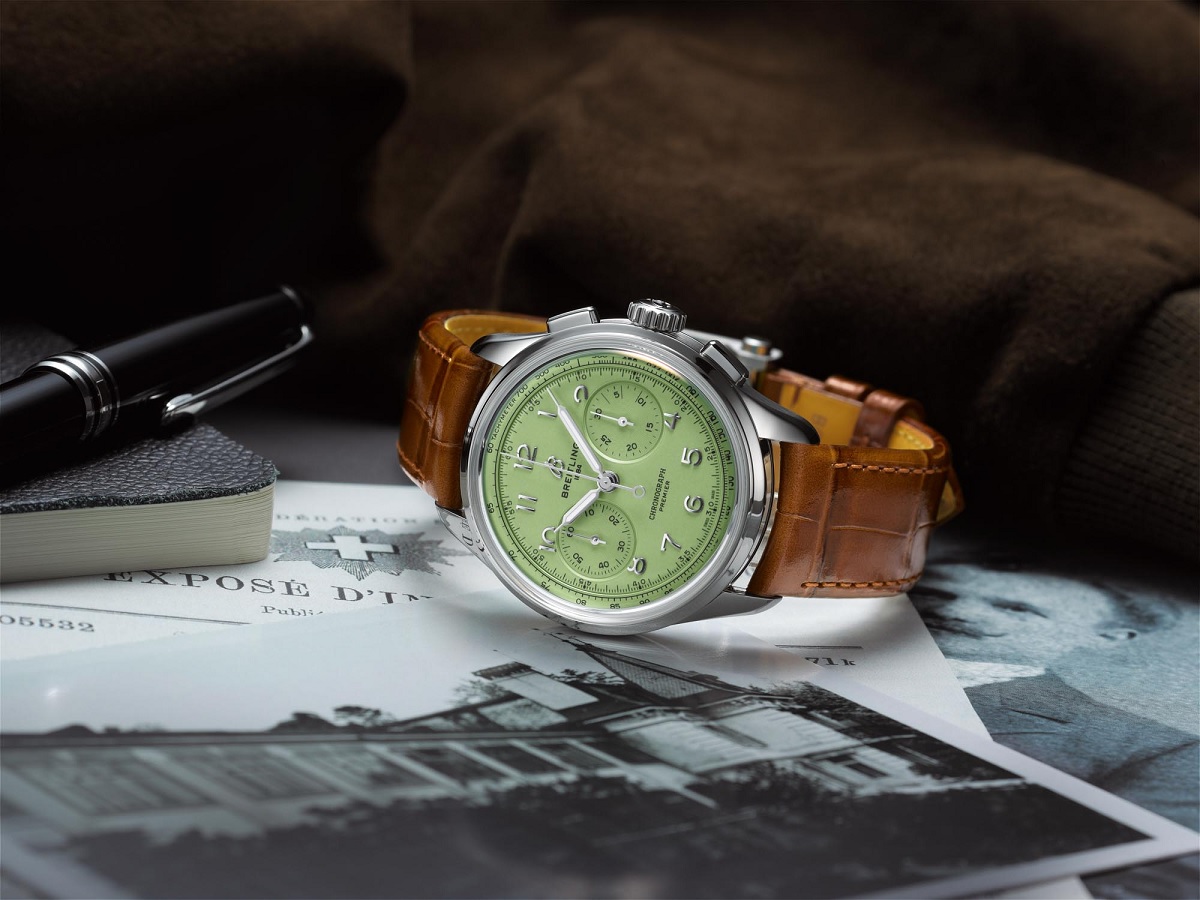
In the world of horology, vintage watches have carved out a unique niche that blends precision engineering, historical significance, and a sense of timeless style. While global brands often steal the spotlight, there’s a growing appreciation for premier Australian vintage watches among collectors and connoisseurs alike. With a rich legacy and evolving demand, Australia’s vintage watch market has emerged as a treasure trove of rare timepieces and authentic craftsmanship.
Let’s explore the enduring appeal of Australian vintage watches, the characteristics that define them, and what makes them a sought-after addition to any enthusiast’s collection.
What Defines a Vintage Watch in the Australian Context?
The term “vintage watch” typically refers to timepieces that are at least 20–30 years old, but the Australian vintage scene has some nuances. Collectors down under have a distinct eye for pieces that represent more than just age, they seek out watches that tell a story, reflect periods of Australian lifestyle shifts, and showcase exceptional mechanical movement.
Vintage watches in Australia are not limited to global imports from Switzerland or Japan. Many pieces also reflect unique design preferences adapted for the Australian market, including limited editions and region-specific models. Over time, this has created a landscape where rarity and provenance play as much of a role as brand or model.
The Allure of Australian Vintage Watches
Timeless Aesthetic Appeal
Vintage watches have a charm that modern timepieces rarely replicate. The aged patina on a dial, the soft brushing on a case worn through decades of use, and the vintage fonts used for numbering all contribute to a sense of character. This aesthetic is highly prized, not just as a fashion statement but as a reflection of refined taste and appreciation for history.
A well-preserved or skillfully restored vintage piece can instantly elevate one’s personal style, combining functionality with storytelling.
Authentic Craftsmanship
What sets premier Australian vintage watches apart is their emphasis on mechanical integrity and hand-assembled quality. These watches were often crafted before the age of automation, where even mid-range timepieces boasted meticulous handwork. The mechanical movements inside vintage watches offer a tactile sense of connection to horological history—each tick a reminder of the engineering marvels of the past.
Limited Availability Equals Rarity
Unlike modern mass-produced watches, vintage watches—especially premier Australian editions—often had limited production runs or regional distribution. This scarcity adds immense value for collectors. Owning a piece that only a handful of others might possess globally is a strong motivation for enthusiasts in Australia and beyond.
Australian Watch Collecting Culture
Australia’s watch community has matured dramatically in recent years. With the surge in online forums, local auctions, and dedicated vintage watch shops, more Australians are discovering the joy of horological heritage.
Many local collectors prefer watches that have some connection to Australian history or lifestyle, including military-issued timepieces, diving watches used along the Great Barrier Reef, and racing chronographs reminiscent of Australia’s motorsport heritage. These themes resonate deeply with local pride and culture.
How to Evaluate a Premier Vintage Watch
For those just entering the market, it can be daunting to evaluate a vintage watch’s value and authenticity. Here are the key factors to consider:
Provenance and Documentation
A premier vintage watch should come with a clear record of its origin—original papers, service history, and sometimes even its original box. These documents not only authenticate the watch but also increase its market value significantly.
Movement and Mechanical Health
The heart of any vintage watch lies in its movement. Whether it’s a manual-winding or automatic calibre, the internal mechanics should be well-maintained. If possible, have a reputable watchmaker assess the movement before purchase.
Condition and Patina
Condition plays a big role in vintage watch valuation. Collectors appreciate signs of natural ageing, but excessive wear or damage can significantly reduce desirability. A balanced patina, intact dial, and original hands are ideal. Replacements and refinishing should be disclosed, as they can affect originality.
Rarity and Demand
Some models, due to limited production or association with notable events, become highly collectible. Researching auction results and collector demand can give you a good indication of a watch’s potential appreciation in value.
The Importance of Trusted Sources
Buying vintage watches can be risky if not done through credible avenues. In Australia, buyers are encouraged to rely on established dealers who specialise in premier Australian vintage watches. These dealers not only offer authentication but also often provide warranty-backed services and expert restoration.
Shops with decades of experience in handling antique and vintage timepieces are more likely to offer pieces that are genuine, well-maintained, and accurately described.
Caring for Your Vintage Timepiece
Maintaining a vintage watch is crucial to preserving its beauty and function. Unlike modern watches, these pieces often require more delicate handling. Here’s how to ensure your vintage timepiece remains in top condition:
- Regular servicing: Mechanical watches benefit from servicing every 3–5 years by a professional watchmaker who understands vintage movements.
- Proper storage: Keep your watch away from humidity and direct sunlight. A lined watch box or pouch is ideal.
- Avoid water: Even if a vintage watch was originally water-resistant, seals degrade over time. Avoid wearing them in the shower or while swimming.
- Manual winding: If your watch is manually wound, do so gently and consistently at the same time daily. Avoid over-winding.
Investment Potential: Why Vintage Watches Are More Than Just Accessories
Vintage watches are increasingly viewed as alternative investments. With tangible value, historical significance, and collector-driven demand, their worth can appreciate over time. While not every vintage watch will rise in value, premier pieces—especially those tied to Australian heritage or in excellent condition—have consistently shown strong returns.
This makes owning such timepieces not only a matter of style but also a thoughtful investment in heritage and craftsmanship.
Watch Restoration: A Balancing Act
Restoring vintage watches can be a double-edged sword. On one hand, it brings functionality back to a piece that might have stopped ticking. On the other hand, excessive polishing or replacing original parts can diminish its value.
Australian collectors are increasingly favouring “sympathetic restoration,” where the goal is to retain as many original components as possible while making the watch wearable and reliable. Restoration should always be documented to maintain the integrity of its value and history.
FAQs
- How can I verify if a vintage watch is genuinely Australian?
Ans. While most vintage watches in Australia were imported, some were region-specific in terms of assembly or distribution. Look for case-back engravings, retailer stamps, and matching serial numbers. Consulting a vintage watch expert or reputable dealer is the most reliable way to authenticate it. - Are vintage watches covered under warranty?
Ans. Original manufacturer warranties usually don’t apply due to the age of vintage pieces. However, reputable sellers often provide a limited post-purchase warranty after servicing, covering mechanical issues for a short period. - Is it better to keep a vintage watch unworn for preservation?
Ans. Not entirely. Mechanical watches are designed to be used, and letting them sit idle for years can cause internal lubricants to dry out. Wearing the watch occasionally and keeping it serviced is better for long-term preservation. - What should I do if my vintage watch stops working?
Ans. Avoid DIY fixes. Take it to a skilled watchmaker who specialises in vintage timepieces. Mishandling can lead to damage to irreplaceable internal parts. - Can I upgrade the strap of a vintage watch?
Ans. Yes, replacing the strap is common and won’t affect the value if done carefully. However, it’s recommended to keep the original strap if available, as it can add to the watch’s resale value and authenticity.
Vintage watches carry far more than just the time—they carry stories, legacies, and a deep appreciation for the artistry of watchmaking. For Australians seeking a piece of that legacy, investing in premier Australian vintage watches offers a window into a bygone era where style, precision, and personal history seamlessly intersect.